






Jamsession cu parfum de epocă la Casa Pianului: SoNoRo Conac 2026 – City in Focus@Arad
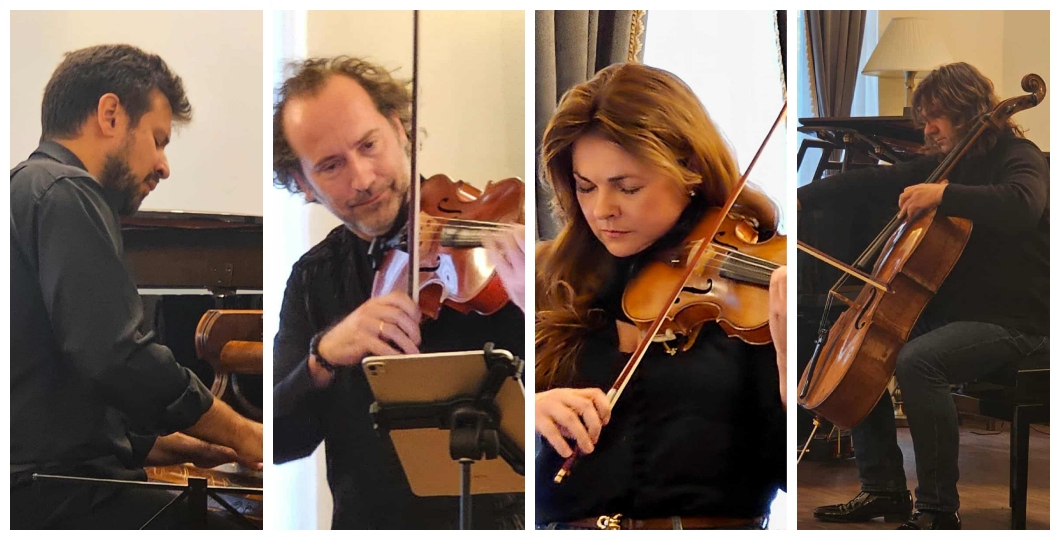


Casa Pianului – Jacques Faix a găzduit, la data de 22 aprilie 2026, cu începere de la ora 19:00, unul dintre concertele incluse în turneul SoNoRo Conac 2026 – City in Focus@Arad.
Concertul, intitulat „Jamsession”, a fost, astfel cum îi sugerează și denumirea, o întâlnire muzicală în care instrumentiștii au cântat împreună într-o atmosferă mai informală, în absența unui program rigid prestabilit.
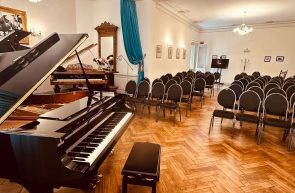
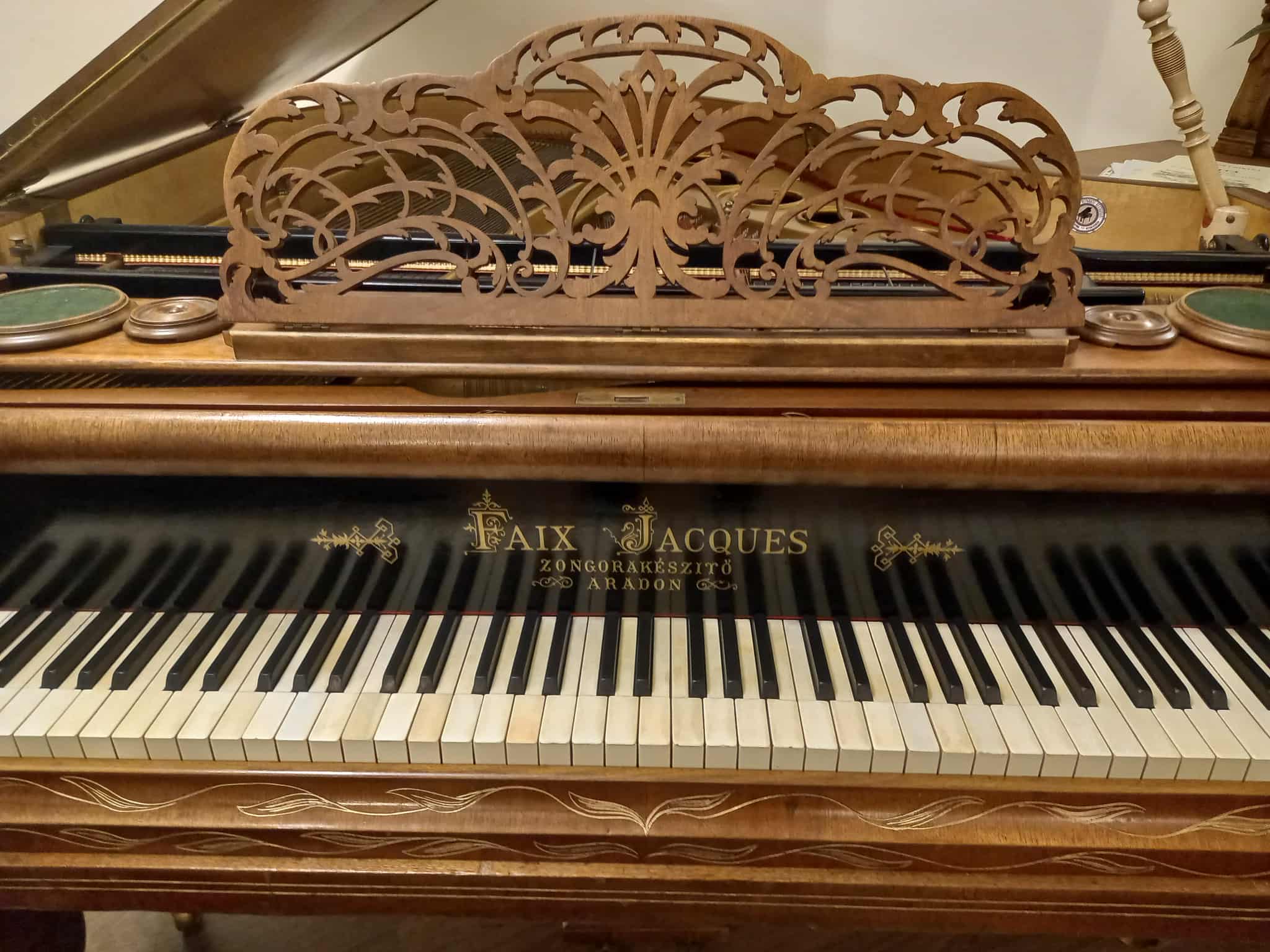
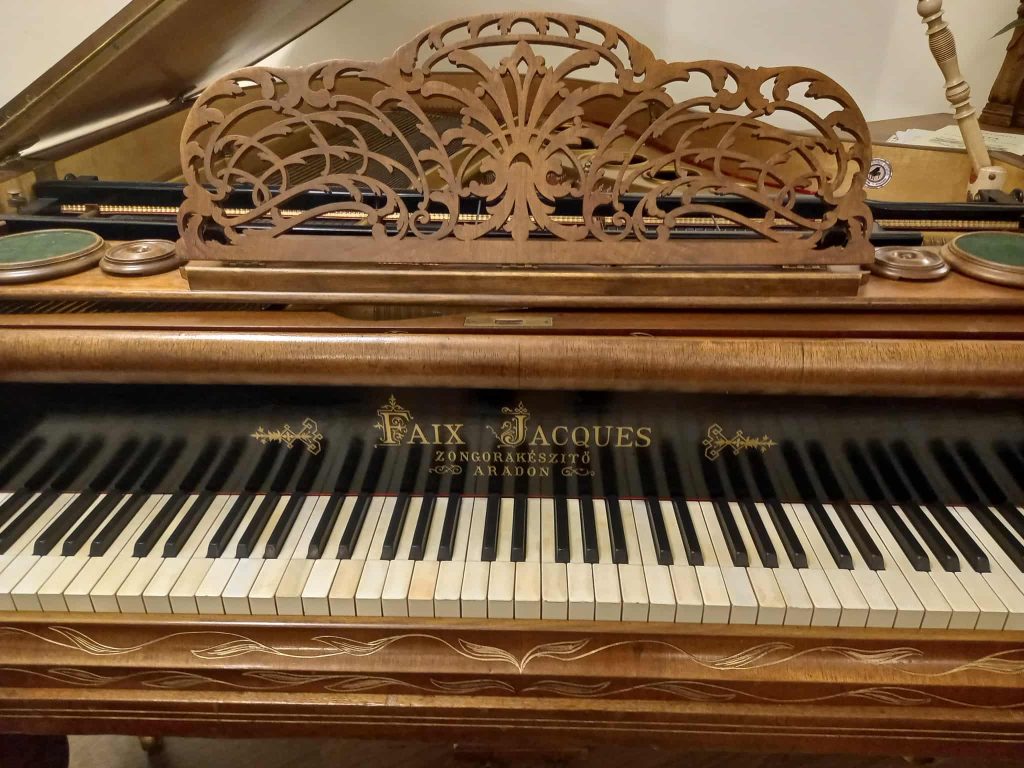
Concertul a debutat cu piesa „Arabesque” (Op. 18) de Robert Schumann, interpretată de virtuozul pianist Cristian Budu. O piesă romantică, grațioasă, de un lirism deosebit, dar ceea ce a făcut-o și mai specială a fost interpretarea acesteia chiar la pianul fabricat de Jacques Faix în anul 1903.
Vechiul pian, chiar dacă destul de dezacordat, a dovedit încă o dată că este un instrument cu totul și cu totul deosebit. Am spus „încă o dată” deoarece, în jurul său, a prins practic contur ideea domnului Mihai Săcui de a restaura imobilul în care artistul Jacques Faix a trăit și a fabricat piane.
Când acest pian Jacques Faix, purtând numărul de serie 530 și data de 30.11.1903, a revenit, după mai bine de un secol, în casa „părintelui” său, s-a petrecut ceva ce nu poate fi exprimat prin intermediul cuvintelor. Doar muzica veritabilă o poate face.
Iar când Cristian Budu, nu doar un virtuoz desăvârșit al pianului, ci un artist capabil să pătrundă profunzimea lucrurilor, a mărturisit publicului că se simte onorat să cânte la un asemenea instrument încărcat de istorie, atunci pianul l-a răsplătit cu toată istoria sa.
A oferit interpretului, dar și nouă, ascultătorilor, sonorități de o rară nuanță cromatică, irizații și rafinamente pe care orice pian modern este incapabil să le redea. Fiecare notă purta patina și „parfumul” elegant al unei epoci apuse, dar care, tocmai prin farmecul ei discret, a trezit în auditoriu o adâncă nostalgie.
Aceste impresii și sentimente ne-au fost (re)confirmate când artistul Cristian Budu s-a mutat la pianul alăturat, unul modern, și a interpretat, chiar dacă admirabil, câteva piese ale lui Heitor Villa-Lobos. Remarcabil din punct de vedere mecanic, tehnic, pianului modern îi lipsea „doar” sufletul.
A urmat în program:
• Johannes Brahms – Sonata nr. 1 în mi minor pentru violoncel și pian, op. 38
• Robert Schumann – Phantasiestücke, op. 73 (pentru violoncel și pian)
• Reinhold Glière – Berceuse (pentru vioară și violoncel)
• Rebecca Clarke – Grotesque (pentru violă și violoncel)
• Gabriel Fauré – Après un rêve, op. 7 nr. 1.
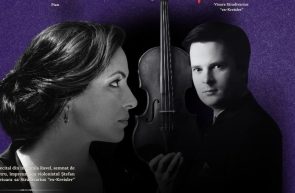
A venit apoi rândul compoziției lui Johan Halvorsen – Passacaglia după Handel, interpretată de Tatiana Samouil la o magnifică vioară Guarneri și de Răzvan Popovici la violă.
Lucrarea este, în sine, splendidă, ravisantă, însă asemenea partituri de mare anvergură își obligă interpreții la prestații pe măsura exigenței lor. În astfel de pagini, orice imperfecțiune, fie și infimă, poate afecta echilibrul întregului.
Interpretarea a fost însă pe deplin la înălțimea reputației internaționale a celor doi artiști, dând naștere unei tensiuni expresive și unei profunzimi care au emoționat vizibil sala. În privința numărului celor atinși până la lacrimi nu mă pot pronunța cu exactitate, întrucât propriile emoții mi-au răpit atenția de la ceilalți spectatori.
Concertul a continuat cu interpretarea compoziției lui Svante Henryson, intitulată Off Pist, urmată de minunata piesă a lui Béla Kovács, Flamenco, care i-a oferit clarinetistului Thorsten Johanns prilejul de a-și etala talentul și virtuozitatea, transpunând auditoriul parcă în atmosfera unei coride spaniole.
A urmat Dmitri Shostakovich – 5 piese pentru două viori și pian, într-o adaptare pentru violă realizată de maestrul Răzvan Popovici.
Finalul, oferit ca bis, a adus surprinzătoarea lucrare a compozitorului german August Nölck – un vibrant Csárdás. Această piesă i-a oferit violoncelistului Justus Grimm ocazia de a determina publicul să aplaude în ritmul energicului dans tradițional maghiar.
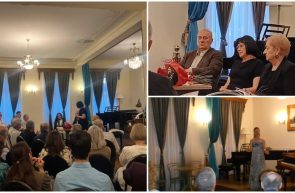
Ulterior, toți artiștii au urcat împreună pe scenă, fiind întâmpinați de public cu un îndelungat standing ovation.
Autorul prezentelor rânduri vă oferă mai departe și o discretă informație din culise. În jurul orei 23:00, când spectatorii ajunseseră fiecare la casele lor, iar orașul se pregătea de somn, am avut imensul privilegiu al unui concert privat.
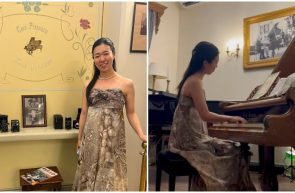
Cristian Budu ne-a oferit un medley (fragmente din cele mai cunoscute compoziții ale lui Frédéric Chopin) interpretat la pianul Jacques Faix. Ce mod mai frumos ar fi putut exista pentru a închide cercul unui asemenea concert?
Vă mulțumesc pentru muzică, dragi artiști. Sunt convins că și Jacques Faix v-ar mulțumi, fiindcă în casa în care a trăit și a construit piane ați readus muzica adevărată.
Chapeau!
***
🇬🇧
The Piano House – Jacques Faix hosted, on 22 April 2026, beginning at 7:00 p.m., one of the concerts included in the SoNoRo Conac 2026 – City in Focus@Arad tour.
The concert, entitled „Jamsession” was, as its very name suggests, a musical gathering in which the instrumentalists performed together in a more informal atmosphere, in the absence of a rigid pre-established programme.
The evening opened with Arabeske (Op. 18) by Robert Schumann, performed by the virtuoso pianist Cristian Budu. A romantic, graceful work of remarkable lyricism, yet what made it even more special was the fact that it was performed on the piano built by Jacques Faix in 1903.
The old piano, although fairly out of tune, proved once again that it is an altogether exceptional instrument. I say “once again” because it was around this very instrument that Mr. Mihai Săcui first conceived the idea of restoring the house in which Jacques Faix lived and built pianos.
When this Jacques Faix piano, bearing serial number 530 and the date 30.11.1903, returned —after more than a century— to the home of its “father,” something occurred that words cannot fully express. Only true music can do so.
And when Cristian Budu—not merely an outstanding piano virtuoso, but an artist capable of grasping the deeper meaning of things— told the audience that he felt honoured to perform on such an instrument laden with history, the piano rewarded him with the fullness of its own past.
It offered to the performer, and to us, the listeners, sonorities of rare tonal colour, iridescences and refinements that no modern piano is capable of reproducing. Each note carried the patina and elegant “perfume” of a vanished age and awakened in the audience a deep nostalgia.
These impressions and emotions were confirmed once more when Cristian Budu moved to the adjacent modern piano and performed, admirably, several works by Heitor Villa-Lobos. Remarkable from a mechanical and technical point of view, the modern piano lacked “only” one thing: soul.
The programme then continued with:
• Johannes Brahms – Sonata No. 1 in E minor for Cello and Piano, Op. 38
• Robert Schumann – Phantasiestücke, Op. 73(for cello and piano)
• Reinhold Glière – Berceuse(for violin and cello)
• Rebecca Clarke – Grotesque(for viola and cello)
• Gabriel Fauré – Après un rêve, Op. 7 No. 1
Then came Johan Halvorsen’s Passacaglia after Handel, performed by Tatiana Samouil on a magnificent Guarneri violin and by Răzvan Popovici on viola.
The work is, in itself, splendid and ravishing, yet such large-scale scores demand performances equal to their own exacting standards. In pages of this kind, any imperfection, however slight, may disturb the balance of the whole.
The interpretation, however, fully matched the international reputation of the two artists, giving rise to an expressive intensity and depth that visibly moved the hall. As for the number of those brought to tears, I cannot say with certainty, since my own emotions deprived me of the attention to observe the others.
The concert continued with the performance of Svante Henryson’s Off Pist, followed by the wonderful piece Flamenco by Béla Kovács, which offered clarinettist Thorsten Johanns the opportunity to display his talent and virtuosity, transporting the audience, as it were, into the atmosphere of a Spanish corrida.
Next came Dmitri Shostakovich – Five Pieces for Two Violins and Piano, in an arrangement for viola made by maestro Răzvan Popovici.
The finale, offered as an encore, brought the surprising work of the German composer August Nölck – a vibrant Csárdás. This piece gave cellist Justus Grimm the opportunity to lead the audience into clapping along with the rhythm of the energetic traditional Hungarian dance.
Afterwards, all the artists returned to the stage together and were greeted by the audience with a prolonged standing ovation.
The author of these lines would further like to share a discreet glimpse behind the scenes. Around 11:00 p.m., when the spectators had each returned to their homes and the city was preparing for sleep, I had the immense privilege of a private concert.
Cristian Budu offered us a medley—fragments from some of the best-known compositions of Frédéric Chopin—performed on the Jacques Faix piano. What more beautiful way could there have been to close the circle of such a concert?
Thank you for the music, dear artists. I am convinced that Jacques Faix himself would have thanked you as well, for in the house where he lived and built pianos, you brought true music back to life.
Chapeau!
Urmărește Special Arad și pe Google News, Twitter, LinkedIn și Instagram!
Galerie foto
-
9
-
Pentru a vedea restul imaginilor din galerie, click pe o poză și folosește săgețile.
Comments are closed.










Comentariile portalului
Problema este a șoferilor care nu mai pot întoarce după bunul plac și a bicicliștilor care nu mai pot traversa pe bicicleta.
Pai aplicatia de ride sharing poate spune cu ce viteza circula pe tot traseul. Log-ul masinii la fel.
Chiar ar trebui și o consultare,și chiar un referendum. Menționez și zona Garii ,care este efectiv inundată,și care din păcate polarizează și boschetari,creând nesiguranță î (...)